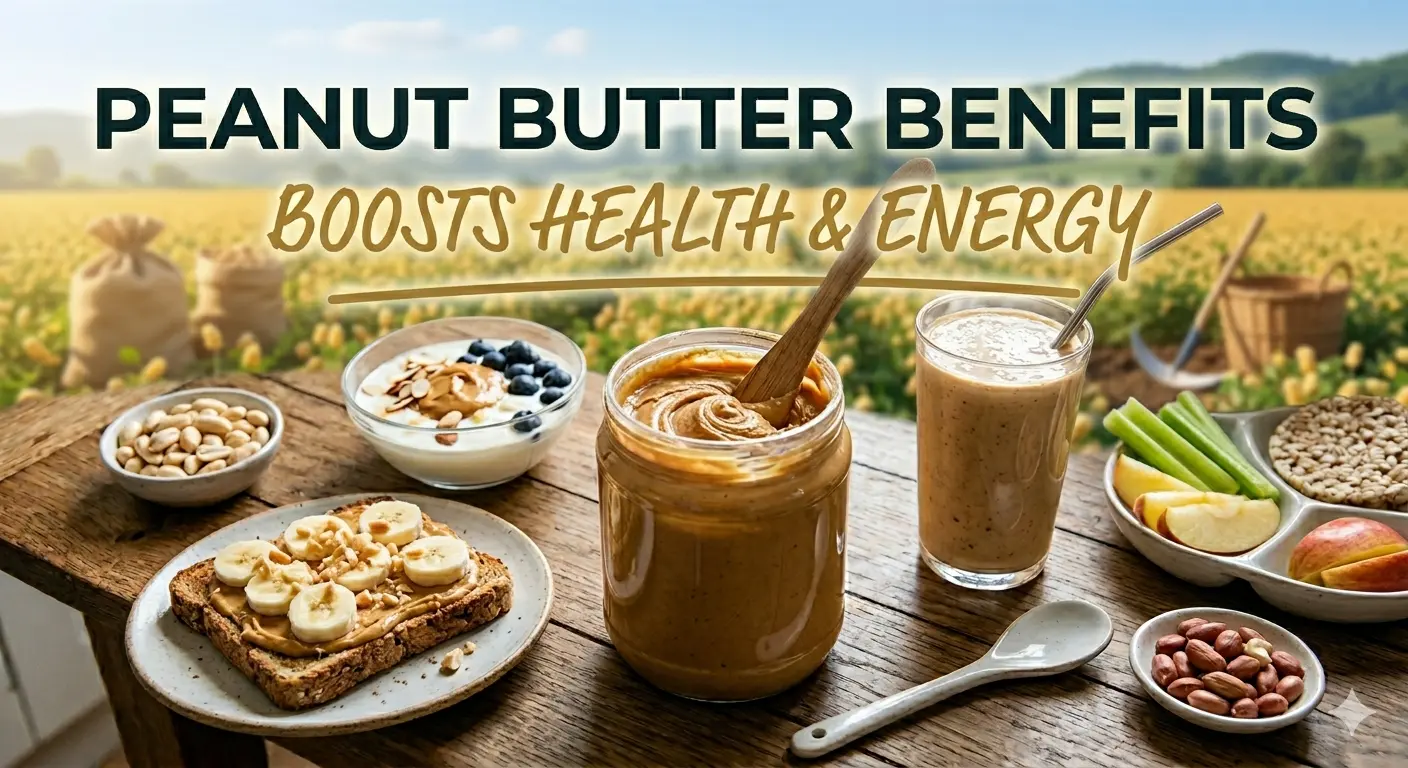
Peanut butter is one of the most nutritionally complete foods you can eat. Yet most people in Pakistan either avoid it thinking it's unhealthy, or use it occasionally without realising how much it can do for their body.
Here are 8 science-backed benefits of eating peanut butter every day — and why the type of peanut butter you choose makes all the difference.
1. High Quality Protein in Every Spoonful
Two tablespoons of NutraRoot peanut butter gives you approximately 8g of protein — making it one of the most protein-dense plant foods available in Pakistan at an affordable price.
Protein is essential for muscle repair, immune function, enzyme production, and keeping you full between meals. Most Pakistanis don't hit their daily protein targets, and peanut butter is one of the easiest ways to close that gap without cooking anything.
2. Healthy Fats That Protect Your Heart
Peanut butter is rich in monounsaturated and polyunsaturated fats — the same type of healthy fats found in olive oil and avocados. These fats actively support heart health by reducing LDL (bad) cholesterol and increasing HDL (good) cholesterol.
This is why the biggest advantage of peanut butter over most Pakistani snacks is not just what it contains — it's what it replaces. Swapping chips, biscuits, or fried snacks for peanut butter means you're upgrading from harmful trans fats to heart-protective fats.
3. Keeps You Full for Hours
The combination of protein, healthy fat, and fibre in peanut butter slows digestion significantly. A breakfast with peanut butter keeps most people genuinely full until lunch — reducing total daily calorie intake naturally without any conscious effort.
This is why peanut butter works for both weight loss and weight gain. At the right portions it fills you up. At higher portions it provides the calorie surplus needed to gain weight. It's one of the few foods that works in both directions depending on how you use it.
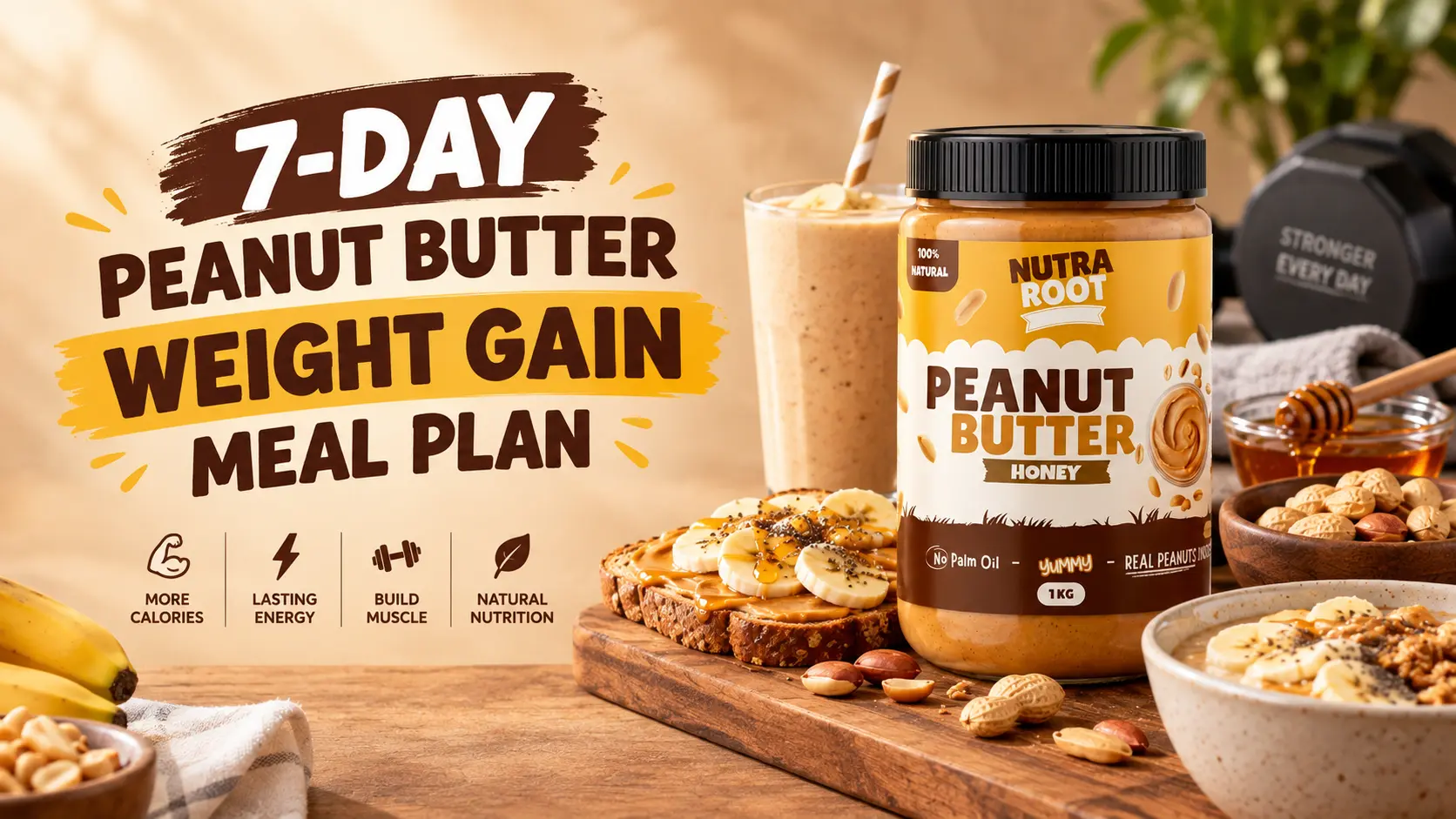
4. Supports Weight Gain and Muscle Building
For gym-goers, athletes, or anyone trying to build muscle or gain weight, peanut butter is one of the most efficient calorie-dense foods available:
| Serving | Calories | Protein | Healthy Fats |
|---|---|---|---|
| 2 tbsp (32g) | ~190 kcal | 8g | 16g |
| 4 tbsp (64g) | ~380 kcal | 16g | 32g |
| 6 tbsp (96g) | ~570 kcal | 24g | 48g |
Adding 4 tablespoons of peanut butter to your daily diet adds ~380 calories and 16g of protein with zero cooking required. For anyone struggling to eat enough to gain weight or build muscle, this is one of the simplest additions you can make.
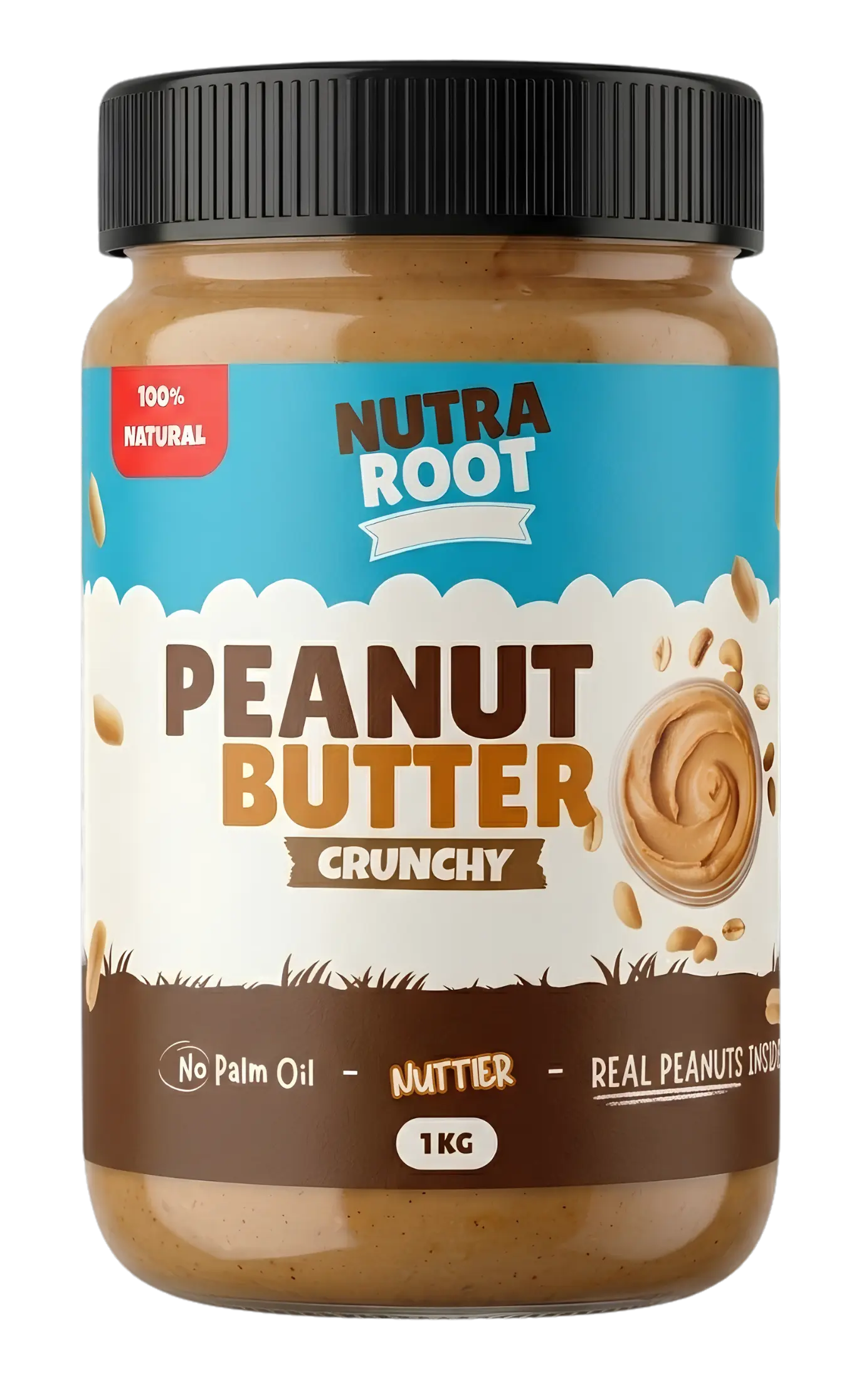
Select a jar size to see Price
Rs.1,599.00 - Rs.2,599.00
Rs.1,199.00 - Rs.2,199.00
5. Stabilises Blood Sugar
Unlike most high-calorie foods, peanut butter has a low glycaemic index — meaning it raises blood sugar slowly and steadily rather than spiking it sharply.
This is particularly important for:
- Office workers who experience afternoon energy crashes
- Diabetics or pre-diabetics managing blood sugar levels
- Anyone trying to reduce cravings — blood sugar spikes cause hunger shortly after eating
Eating peanut butter with a meal or snack blunts the blood sugar impact of carbohydrates eaten at the same time — keeping energy levels stable for longer.
6. Rich in Essential Vitamins and Minerals
Peanut butter is a meaningful source of several micronutrients that many Pakistanis are deficient in:
| Nutrient | Benefit |
|---|---|
| Magnesium | Bone health, muscle function, sleep quality |
| Vitamin E | Antioxidant protection, skin health |
| Niacin (B3) | Energy metabolism, brain function |
| Folate | Cell repair, essential during pregnancy |
| Potassium | Blood pressure regulation |
Two tablespoons of peanut butter provides meaningful amounts of all of these — making it genuinely nutritious rather than just calorie-dense.
7. Supports Brain Health
Peanuts are one of the best natural sources of niacin (Vitamin B3) and resveratrol — both of which have been linked to improved cognitive function and reduced risk of neurological decline.
Niacin specifically supports the production of NAD+, a molecule essential for brain cell energy production. Regular peanut consumption is associated with better memory and cognitive performance in research studies.
8. Affordable and Available Across Pakistan
Most superfoods discussed in nutrition content are imported, expensive, and hard to find in Pakistan. Peanut butter — especially locally made organic peanut butter — is affordable, widely deliverable, and requires no special preparation.
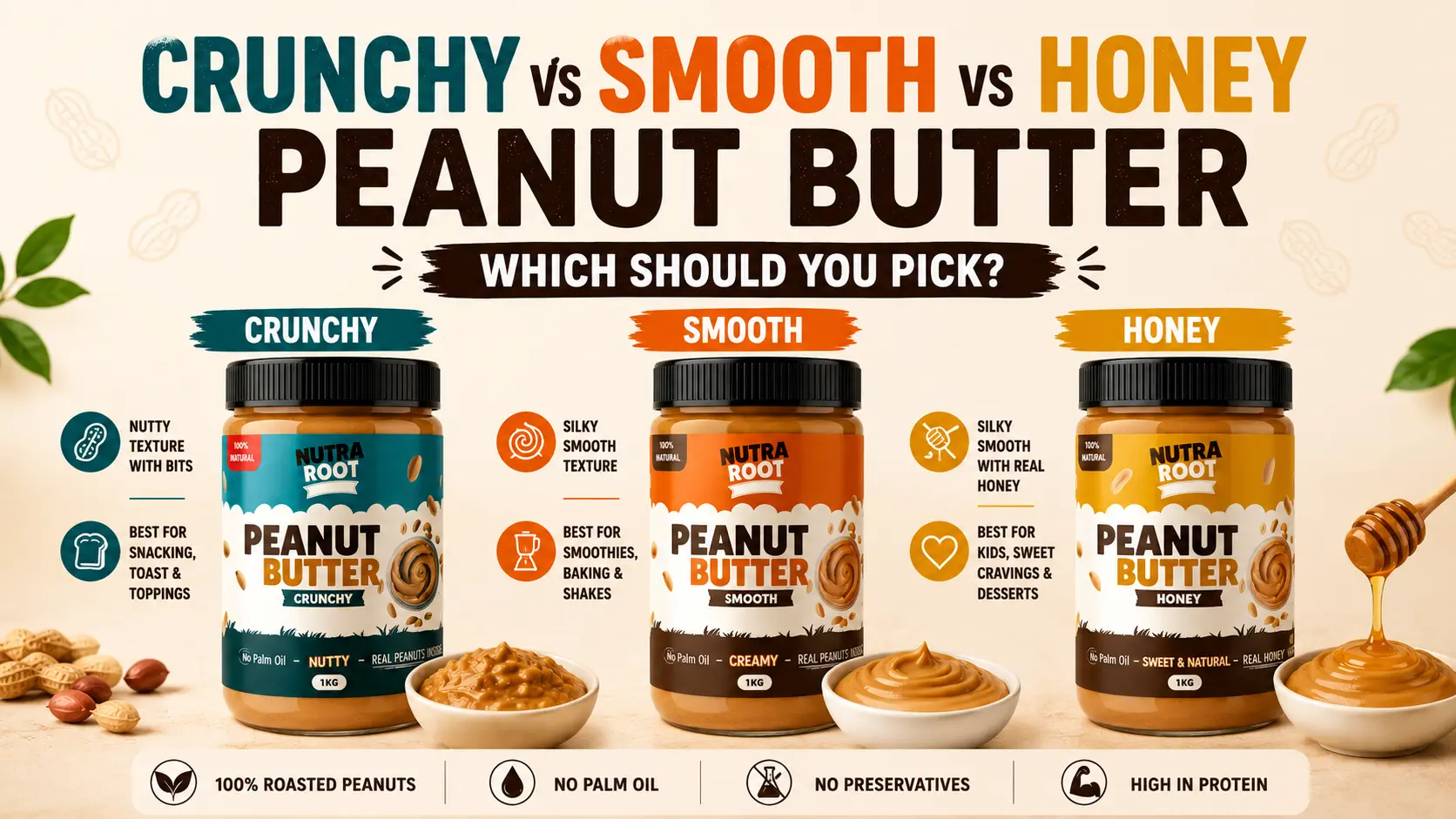
NutraRoot organic peanut butter starts at Rs. 1,199 for 500g, available in Creamy, Crunchy, and Honey flavors, delivered across Pakistan with no import markup.
The One Condition: Choose Pure Peanut Butter
All eight benefits above apply to pure peanut butter made from 100% peanuts. Many commercial brands in Pakistan add palm oil, sugar, and stabilisers — which reduce the protein content, add empty calories, and partially negate the health benefits.
Always check the ingredients label. The only ingredient should be peanuts — or peanuts and salt. If you see palm oil or sugar listed, you're getting a processed product, not peanut butter.
Peanut Butter vs Other Protein Sources — Quick Comparison
| Food (per serving) | Protein | Calories | Cost per gram of protein |
|---|---|---|---|
| Peanut Butter (2 tbsp) | 8g | 190 | Rs. 8.4/g |
| Almonds (30g) | 6g | 170 | Rs. 12/g |
| Whey Protein (1 scoop) | 24g | 120 | Rs. 15/g |
| Chicken Breast (100g) | 31g | 165 | Rs. 2.7/g |
Peanut butter isn't the cheapest protein per gram — chicken and daal win on pure cost. What it offers instead is zero preparation and hours of satiety, which is why it earns a place in almost every meal plan on this site. See the full cost-per-gram ranking for every protein source available in Pakistan.
Frequently Asked Questions
What are the main benefits of peanut butter?
Peanut butter provides high quality protein, heart-healthy monounsaturated fats, fibre, and essential vitamins including magnesium, vitamin E, niacin, and potassium. It supports weight management, muscle building, blood sugar stability, and heart health when consumed as part of a balanced diet.
Is peanut butter good for weight gain?
Yes — peanut butter is one of the best foods for healthy weight gain due to its high calorie density (190 kcal per 2 tablespoons) combined with protein and healthy fats. Adding 4–6 tablespoons daily can contribute 380–570 extra calories without significantly increasing meal volume.
What are the advantages of peanut butter over other spreads?
Compared to butter, jam, or cream cheese, peanut butter provides significantly more protein, healthy unsaturated fats instead of saturated fat, and essential micronutrients. It keeps you fuller longer and supports muscle maintenance — benefits other spreads don't offer.
Are peanuts and peanut butter equally healthy?
Yes — whole peanuts and peanut butter share nearly identical nutritional profiles. Peanut butter is simply ground peanuts, so all the benefits of eating peanuts apply equally to peanut butter.
How much peanut butter should I eat per day?
For general health: 2 tablespoons daily. For weight gain or muscle building: 4–6 tablespoons spread across meals. For weight loss: 1–2 tablespoons as a replacement for less nutritious snacks, not in addition to them.
Bottom Line
Peanut butter is one of the most nutritionally efficient foods available in Pakistan. Protein, healthy fats, vitamins, minerals, blood sugar stability, and affordability — few foods deliver this combination at this price point.
The key is choosing pure peanut butter with no additives. NutraRoot organic peanut butter — made from 100% Pakistani peanuts, no palm oil, no preservatives — is the cleanest version available in Pakistan right now.
If you're planning your diet around these benefits, our 7-day weight loss meal plan and high protein low calorie foods guide pair directly with this.

Ameer Hamza
Founder, NutraRoot
Ameer Hamza is the founder of NutraRoot, personally overseeing production and quality control on every batch. A BS Computer Science graduate with 8+ years of gym and fitness experience, he writes NutraRoot's nutrition content by combining hands-on product knowledge with real dietary and training experience.
NutraRoot Pakistan
Ready to try organic peanut butter?
No palm oil. No preservatives. Delivered across Pakistan.
Shop Now